Project Parinati
Empowering Rural Girls to
Become Change Leaders
Nurturing First-Generation Voices of Impact Since 2015

About the Program
Action that Shapes Futures with Parinati
Project Parinati, Ekakanya’s flagship program launched in 2015, works with girls and young women aged 17–22 and above, helping them step into their potential. Over 2.5 years, each batch of 30 participants embarks on a journey of self-discovery, learning about health, leadership, and how to create positive change in their communities.
Rooted in local culture and traditions, these young women build confidence, resilience, and practical skills to shape their own futures. Each story, from saying “no” to child marriage to leading initiatives in their villages, reflects the power of mentorship, knowledge, and hope.

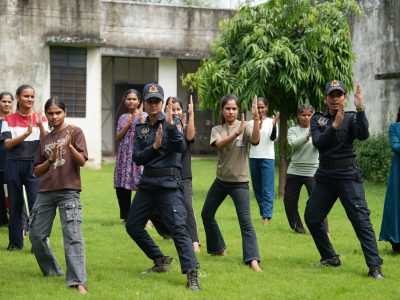
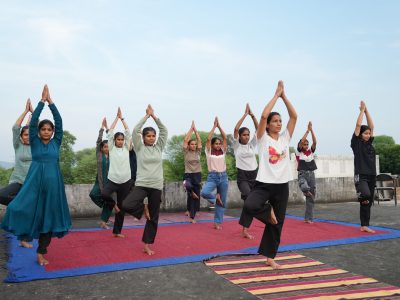
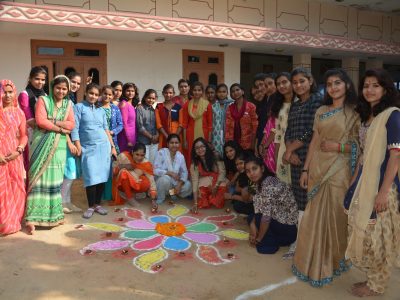
Parinati's Training and Curriculum
The Pehchaan module goes beyond simple training sessions. It’s a guided journey of reflection and exploration designed to help girls understand who they are and what they want from life. Through structured self-discovery exercises, participants map their personal strengths, identify limiting beliefs, and clarify their core values. They also practice setting realistic short-term and long-term goals, creating action plans, and tracking progress. By the end of the module, each participant leaves with a sharper sense of identity, stronger decision-making skills, and a practical roadmap for achieving her aspirations — tools that extend far beyond the classroom into her everyday life.
The Swasthya module equips participants with practical, age-appropriate health knowledge and self-care habits they can apply immediately. It blends interactive workshops, expert-led sessions and hands-on exposure visits to clinics or community health centres. Girls learn about balanced nutrition, basic anatomy and body changes, reproductive and menstrual health, hygiene, and common disease prevention strategies. They also explore emotional well-being, stress management, and the link between mental and physical health. By understanding their bodies and rights, participants build confidence to make informed decisions, advocate for their own health needs and support healthier practices within their families and communities.
The Adhigam module deepens civic awareness and legal literacy so participants understand how society and governance shape their daily lives. Through interactive workshops, real-life case studies, and exposure visits to civic institutions, they learn about the Constitution, democratic systems, electoral processes, and the functioning of local Panchayati Raj institutions. Special focus is placed on women-specific legal protections, gender justice, and mechanisms for redressal. Practical community problem-solving exercises help participants see how laws and policies translate into action. By the end, they gain the knowledge and confidence to participate in civic life, advocate for their rights, and drive positive change.
The Netritva module equips participants with practical leadership skills to help them become effective community change agents. Through interactive workshops, simulations, and peer-led activities, they learn to communicate with clarity, plan strategically, and make informed decisions under pressure. Sessions cover vision-setting, goal alignment, team coordination, and resource management so participants can lead initiatives with confidence. Role-plays and real-world projects give them opportunities to practice negotiation, conflict resolution, and delegation. By the end of the module, participants gain both the mindset and the tools to inspire others, mobilize resources, and drive sustainable, community-focused impact.
The Kaushal Vikas module builds digital literacy and technical skills through a step-by-step, hands-on approach. Participants begin with the basics of operating computers, typing, and navigating the internet. As their confidence grows, they advance to using productivity tools, managing digital files, and communicating online safely and effectively. The module also introduces online banking, digital transactions, and e-governance services to help participants manage their personal and professional lives. For those with entrepreneurial interests, it includes sessions on online business platforms, digital marketing, and e-commerce tools. By the end, participants are equipped to thrive in an increasingly digital world.
Community Development
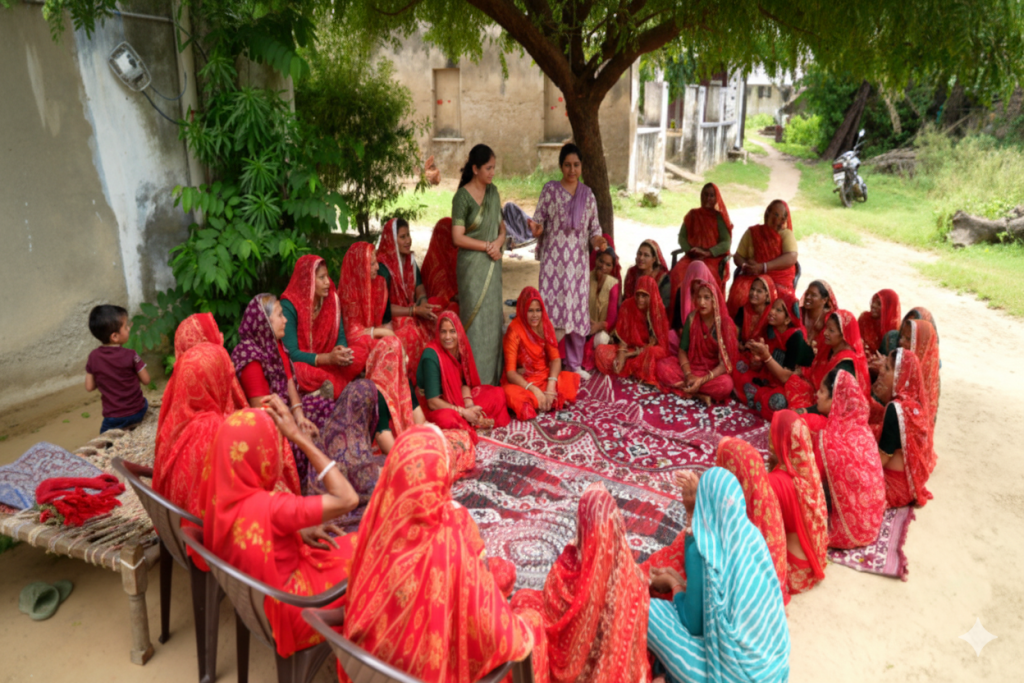
Inclusive and accountable community support for the initiatives which are implemented for the young girls provides deeper understanding of the challenges and opportunities within their community. It prepares the families and communities to accept the positive behavioral changes and development seen in young girls Parinati projects demonstrate evidence-based design and content that give young girls the opportunity to achieve their fullest potential, and participate as change leaders for their communities. During implementation, community is actively engaged, especially mothers of Parinati girls (PCL). Community development helps the project understand the needs and challenges of the community, including helping to contextualize their program design more effectively to meet those needs. Engaging with community members helps Ekakanya to build trust with them, increase their effectiveness, enhance sustainability of the outcomes, invite ideas from other members like family and relatives, and create a sense of shared responsibility in the mission towards transforming young girls in rural Rajasthan.
The Defining Difference
What Sets Parinati Apart?
Tailored Training
A 2.5-year journey where girls gain the skills, confidence and knowledge to make decisions for themselves and their communities. Each batch of 30 participants learns self-awareness, reproductive & sexual health, women laws, leadership skills and digital literacy - tools that help them navigate challenges and envision a brighter future.
Cultural Insight
Change starts with understanding. By respectfully engaging families, elders, and local communities, the program honors cultural traditions while creating new opportunities for girls and women to pursue education, challenge societal norms, and emerge as leaders and first-generation earners.
Hands-On Impact
Through visits to universities, institutions, and workplaces, girls apply classroom learning in real-world settings. These transformative experiences build resilience, independence, and purpose, empowering them to become role models who inspire positive change in their communities and beyond.
Charting Progress
Parinati’s Batches Through the Years
PARINATI BATCH 01 (2016–2019)
Parinati began in Kishanpura, Block Bassi, with 30 girls aged 17-22 and above. Working out of a rented room with minimal resources, the focus was on building self-awareness, leadership, and behavioural skills. Over three years, the girls steadily grew in confidence and graduated in 2019. Their journey showed how small, dedicated cohorts could spark meaningful change in both individuals and communities.
PARINATI BATCH 02 (2019–2021)
The second cohort in Akhaipura brought the same 30-girl model, but the learning went deeper. Alongside leadership, the girls gained community engagement and empowerment skills, taking their development beyond the individual to the collective. Graduating in December 2021, this batch demonstrated how Parinati could strengthen both personal growth and village networks.
PARINATI BATCH 03 (2022–2024)
Starting in Kalyanpura, Batch 3 continued with 35 girls, sharpening skills to navigate complex realities through strategic thinking, community action, negotiation, digital literacy, and leadership. Set to graduate in 2025, they include high-aptitude girls identified and supported for higher education in nearby colleges and universities.
PARINATI BATCH 04 (2024–2025)
Parinati batch 4 with a cohort of more than 35 girls was initiated in village Kalyanpura, Block Bassi. Besides being trained in 5 Parinati Modules, the girls got opportunity to work in Knowledge Process Outsourcing (KPO) Center in Bassi.
150
Change Leaders trained
30
First-Generation University Students
100
Girls Employed in KPO Centre
10+
Years of Impact
Stories of Change Leaders
Lalita Devi, Parinati 1
Lalita Devi, got married at age 16 and joined Parinati Program, delivered her first child on the March 12th 2018 and went and appeared for her board examination on the March 14th, along with her one and half day’s new-born baby. She was accompanied by her mother-in-law and her husband, who took her to the examination center in Bassi (5 kilometer away from her village, Kishanpura). As a result of Lalita’s strong determination and perseverance, Lalita scored 70 percent marks in her 12th. She subsequently got digitally literate and is now working in a Knowledge Process Outsourcing (KPO) Center as Senior Data Processing Analyst
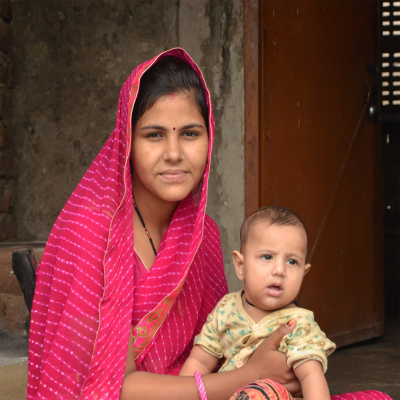
Ritu, from Ekakanya's first batch transformed her life
Ritu is from 2016 Parinati Batch 1. Being a humble girl, she first learnt the importance of aspiration and vision. She works for CSR in a multinational company. Her project involves her to enroll the needy individuals and families in various government schemes which provides benefits to widows, orphans, farmers, artisans, elderlies, physically challenged and others. In the last 3 years Ritu has enrolled 300 individuals and families who are availing benefits of the scheme meant for them. She has been recently recognized and rewarded for her brilliant performance by her Company. In her personal life, Ritu has repaid the loan of her father, helped financing her brother’s education and at present supporting her parents to build their own house, and all with her salary
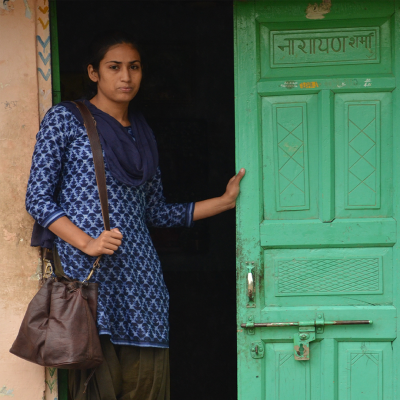
Jhankar Chooses Learning Over Limits
Jhankar is pursuing her B.Ed. (Bachelor of Education) in Jaipur city to fulfill her dream to be a teacher of Sanskrit. Jhankar has also successfully negotiated with her parents under huge family pressures to delay her marriage to pursue her studies.
Now married and a yoga teacher besides pursuing her B.Ed
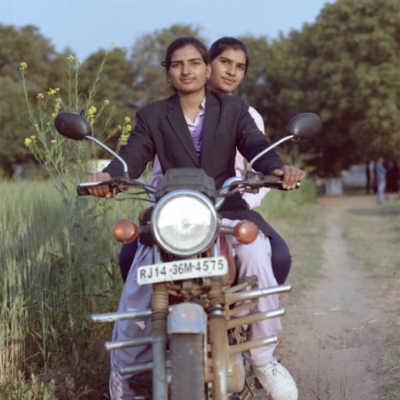
Sunita Parinati 1
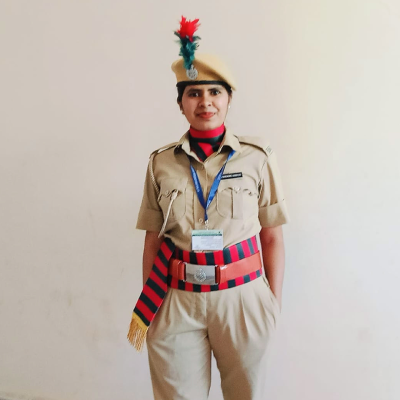
Sunita, from Parinati 1, was married at the age of 10 and widowed at the age of 11 years. Her journey from being in the first Parinati cohort i.e., 2016 to her appointment as a public servant, has been inspirational for every successive Parinati cohort that has graduated the program. Sunita is a covenanted Forest Reserve Police Officer, serving the Forestry Department of the state of Rajasthan. She works out of Aranya Bhawan, Rajasthan.
Itishree Parinati 2
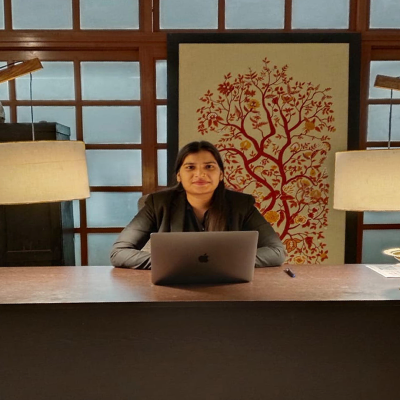
Itishree is one of the first generation students to study in MBA in city based University. She is working at a 100 women Knowledge Process Outsourcing (KPO) unit as a Junior Executive HR. She travelled to Bangalore twice for her internship and gained experience working in a start-up on Artificial Intelligence.
Rachna Parinati 1
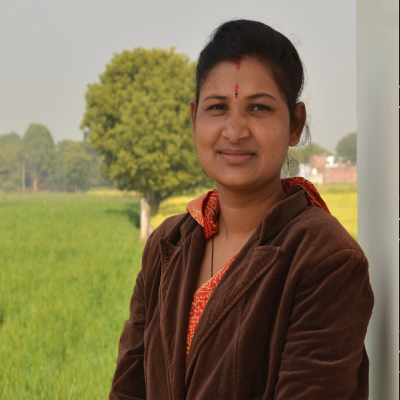
Rachna Bairwa, joined Parinati at age 19 years, got married at age of 15 while she was a student of class 8th, hails from a community known for not valuing girl’s education even at present times. She has shown tremendous conviction in communicating and negotiating with her parents and convincing them to not send her to her in-laws home rather let her continue with Parinati program and her education. Rachna, completed her studies, learnt computer and now working in Ekakanya as Assistant Project Coordinator.
Rinku Rises Through Resilience
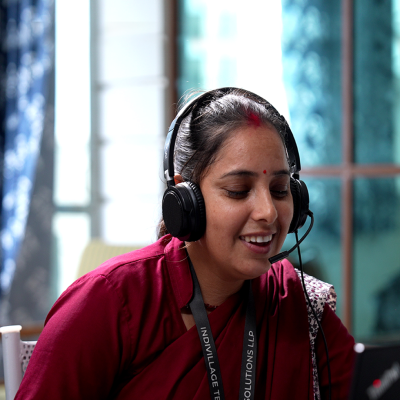
Rinku (Parinati 2), from the 2019 Parinati batch, joined the program despite initial resistance from her in-laws. Married at the age of twelve and a mother by the time she was fifteen, Rinkus’ Ekakanya journey proves that with sheer determination and the right kind of guidance and mentorship, one can rise above her circumstances. Rinku completed her studies and the Parinati program. She got digitally literate and now working at the KPO in Bassi. A daughter-in-law in the village going to office to work and earning salary is a change story which created impact in the local community.
Change Leader Asha
Asha, a young girl from 2016 Parinati Batch, is one of our Trailblazers. Asha hails from a very conservative family. Initially her father was against her being part of Project Parinati. It was a challenging task to retain her in our project for 3 years, and we had to convince her parents to not have her married off and to allow her to complete the training program. Asha groomed to be a good learner and developed skills as she matured, with a clear vision creating goals for herself. She had always wanted to work and be economically independent. She married 3 years ago in 2021 and negotiated with her husband and her in laws expressing her desire to be a working woman. When the opportunity opened with our KPO center, she joined the job and became a first-generation earner as a daughter in law in her conjugal family. This is not a common practice in the rural community and having fought all odds, she is seen as a role model in her community.
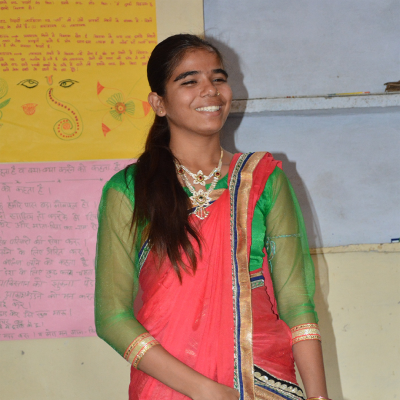
Neha the Force Multiplier
Neha’s journey at Ekakanya since 2016 has been a journey of self-development. With each passing year Neha has set an example by learning and developing her skills. She first worked as an assistant Project Coordinator in Project Parinati, and then by improving her digital skills she joined the rural KPO center in Bassi. She was made the Team Leader within a years’ time. She is one of the best performers at the KPO. Besides, she has been a very big support for her family, regularly supporting them financially.
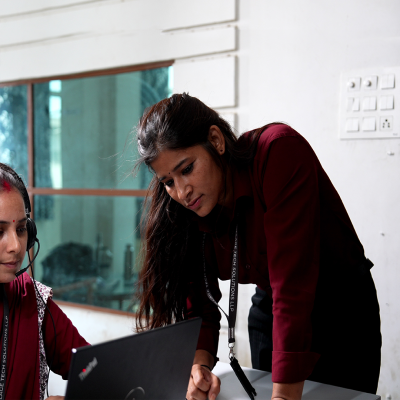
Surbhi, Parinati 2 and
Anjali, Parinati 3
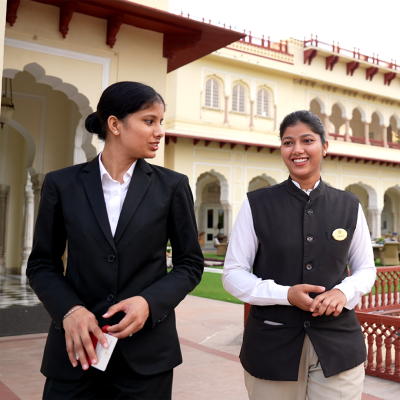
Surbhi (Parinati 2) and Anjali (Parinati 3), primarily first-generation learners, displayed a notable predisposition to transcend conventional educational norms. stepped out of their village to study MBA in nearby city college with specialization in Human Resource. They are working in HR department in hospitality industry. Their journeys include the remarkable feat of independent travel to urban educational centres, a preference for non-traditional career trajectories, and the distinct attributes of individuality and leadership